Intractable Interstitial Respiratory Diseases

Intractable Interstitial Respiratory Diseases
Plan No.: PB5190039

We provide treatment using autologous adipose-derived mesenchymal stem cells for intractable interstitial respiratory diseases: emphysema (including COPD), idiopathic pulmonary fibrosis (IPF) and interstitial pneumonia.
Medical image of a stethoscope and laptop

Purpose of Treatment

Although cells that have been destroyed are considered unable to return to their original state, treatment using stem cells is expected to help repair cells. This treatment aims to regenerate lung tissue and restore lung function as a treatment directed at the underlying condition.

Treatment of Intractable Interstitial Respiratory Diseases

Emphysema (Including COPD)
Emphysema is a disease caused by destruction of cells in the lungs. There is no effective treatment for emphysema; care involves smoking cessation and drug therapy with bronchodilators, with home oxygen therapy used if the condition worsens.
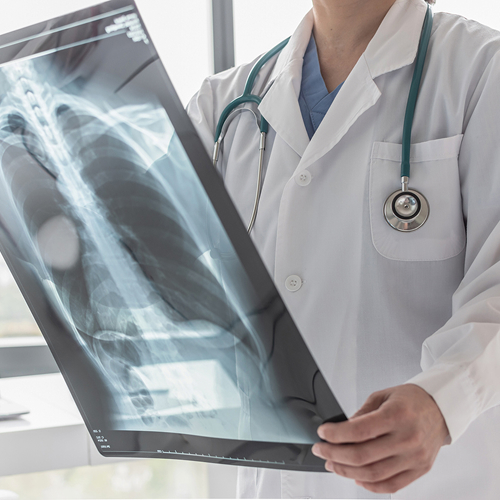
A physician reviewing a chest X-ray
Idiopathic Pulmonary Fibrosis (IPF) and
Interstitial Pneumonia
Idiopathic pulmonary fibrosis is a disease in which collagen accumulates during the repair of damage to the alveoli, thickening the interstitium and causing fibrosis, so that the lungs cannot expand sufficiently. Other forms of interstitial pneumonia include idiopathic nonspecific interstitial pneumonia and cryptogenic organizing pneumonia. Interstitial pneumonia, including idiopathic pulmonary fibrosis, is registered as a designated intractable disease, and there is no established treatment. Drug therapy with steroids is commonly used for symptoms, but steroid side effects mean it is considered a limited treatment.

A physician reviewing a chest X-ray

Expected Effects

The following have been reported as expected effects:

  • Ability to Differentiate into Lung Cells
  • Cell Repair Capacity (Secretion of Growth Factors)
  • Improvement in Blood Flow (Angiogenesis and Vascular Repair)
  • Anti-inflammatory Action
Symptoms of Arteriosclerosis
By “creating an environment for repair of damaged lungs,”
the aim is to slow disease progression and promote recovery toward the original state.