Intractable Neurodegenerative Diseases

Intractable Neurodegenerative DiseasesPlan No.: PB5190038

We provide treatment using autologous adipose-derived mesenchymal stem cells for intractable neurodegenerative diseases: amyotrophic lateral sclerosis (ALS), spinocerebellar degeneration (SCD), Lewy body disease (DLB) and progressive supranuclear palsy (PSP).
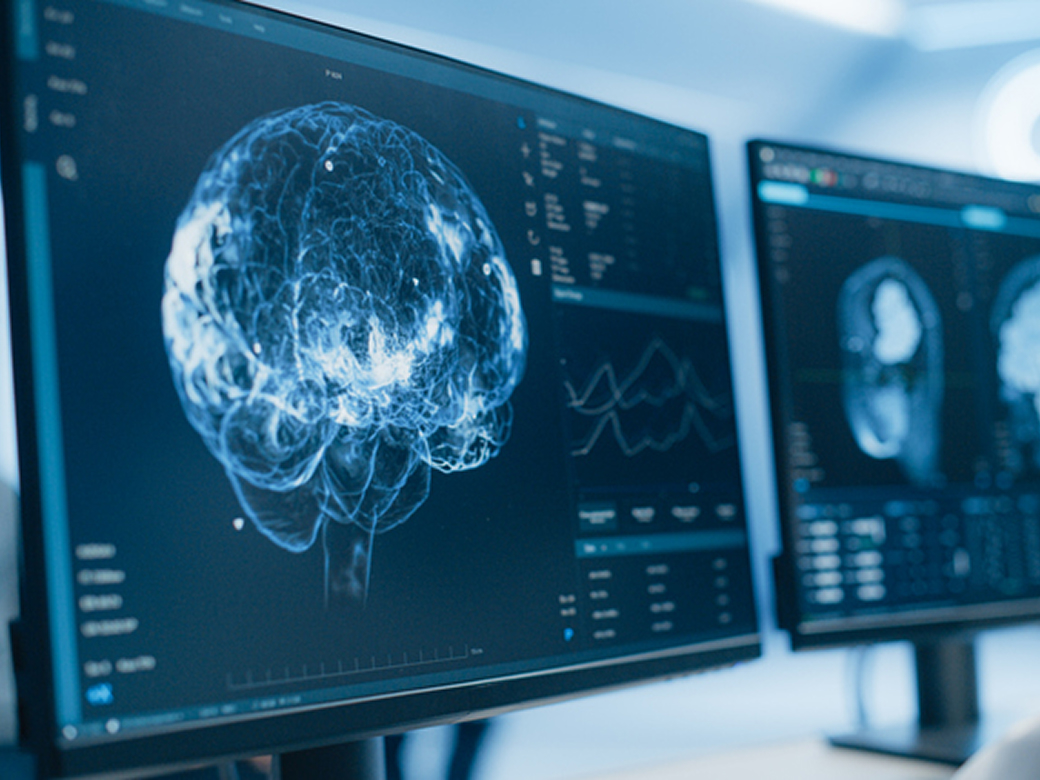
Medical monitor displaying a 3D image of the brain

Purpose of Treatment

Through actions such as differentiation into nerve cells, repair of nerve cells, improvement of blood flow and suppression of inflammation, adipose-derived mesenchymal stem cells are expected to help repair the damaged brain.

What Are Intractable Neurodegenerative Diseases?

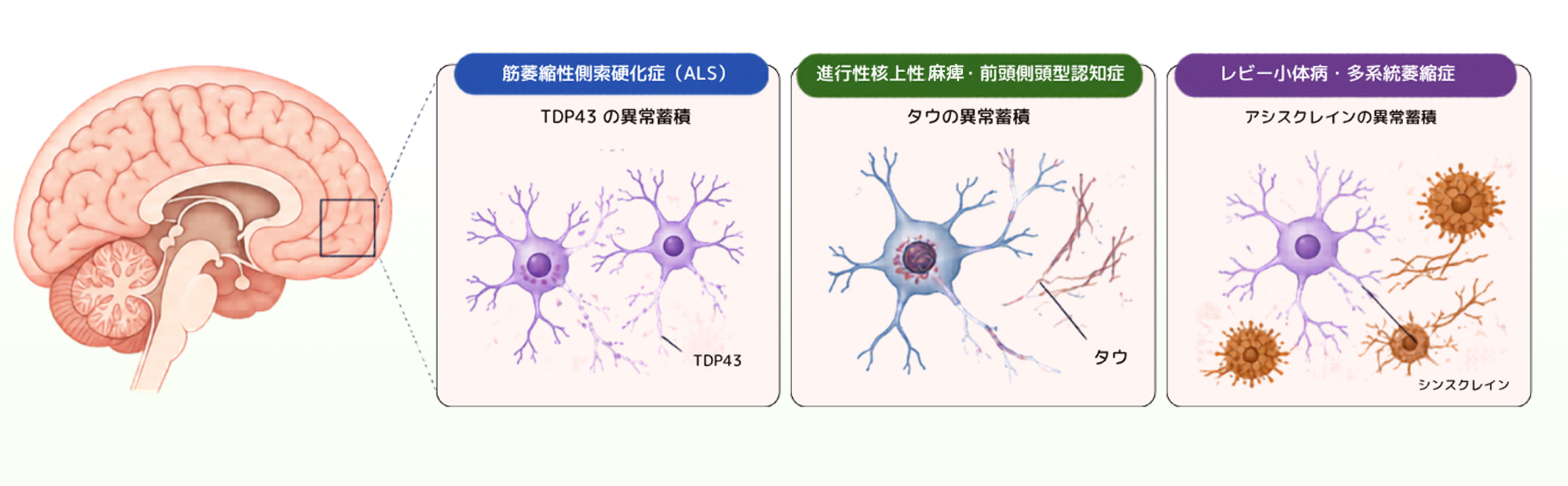
Abnormal proteins have been found to accumulate in the brain in many intractable conditions called neurodegenerative diseases. However, it has not yet been established whether the accumulation of these proteins in the brain is the cause of the diseases.
  • Amyotrophic Lateral Sclerosis (ALS): TDP-43
  • Progressive Supranuclear Palsy and Frontotemporal Dementia: Tau
  • Lewy Body Disease and Multiple System Atrophy: Alpha-Synuclein
Diagram of abnormal protein accumulation in different neurodegenerative diseases

English translation of the diagram above

  • Amyotrophic lateral sclerosis (ALS): abnormal accumulation of TDP-43.
  • Progressive supranuclear palsy and frontotemporal dementia: abnormal accumulation of tau.
  • Lewy body disease and multiple system atrophy: abnormal accumulation of alpha-synuclein.

Conventional Treatment

The causes of damage to brain nerve cells in intractable neurodegenerative diseases (ALS, SCD, PSP and DLB) are currently unknown. Although the causes of these diseases have been proposed to some extent, the scientific mechanisms leading to symptoms have not yet been clarified.
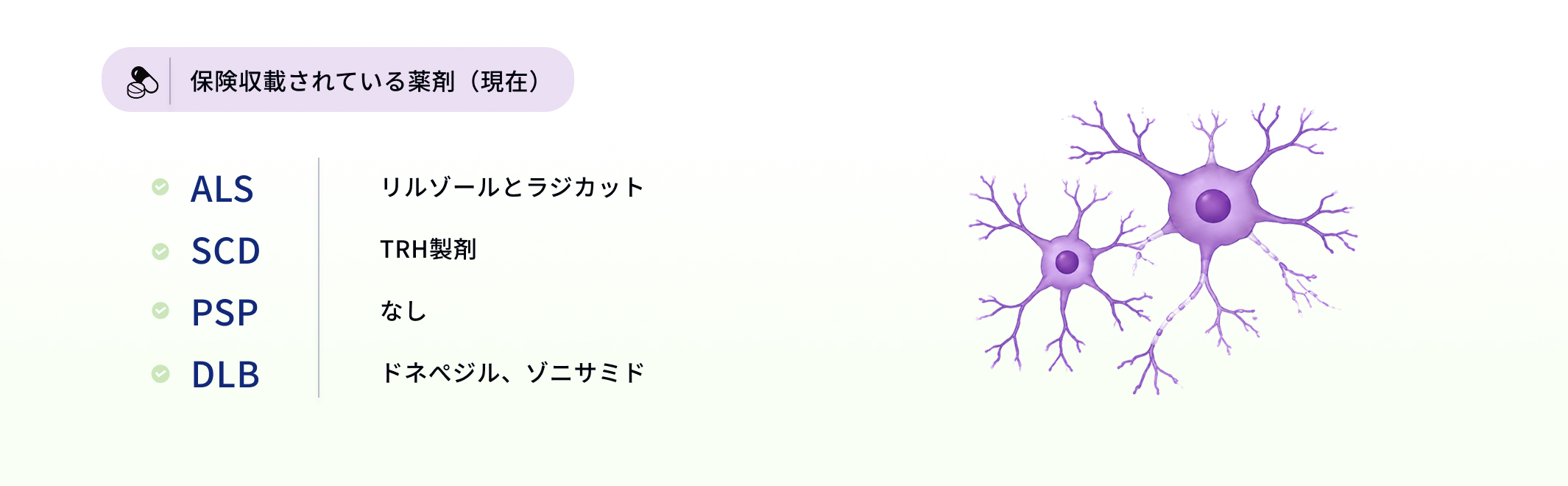
Chart of medicines covered by Japanese health insurance for ALS, SCD, PSP and DLB

English translation of the chart above

Medicines covered by Japanese health insurance (“current” in the Japanese source; current status requires confirmation).

ConditionMedicines listed in the source
ALSRiluzole and Radicut
SCDTRH preparations
PSPNone
DLBDonepezil and zonisamide
None of these treatments stops the neurological damage caused by the disease. There are currently no approved medicines for PSP, and the condition progresses.
Expected Effects

The following have been reported as expected effects:

  • 1

    Ability to Differentiate into Nerve Cells

  • 2

    Ability to Repair Nerve Cells

    Secretion of several growth factors has been confirmed.

  • 3

    Improvement in Blood Flow

    Angiogenesis and vascular repair have been confirmed.

  • 4

    Suppression of Inflammation

Healthcare professional operating a digital brain analysis screen
By “creating an environment for repair of the damaged brain,”
the aim is to slow disease progression and promote recovery toward the original state.