Parkinson’s Disease

Parkinson’s DiseasePlan No.: PB5190010

We provide treatment for Parkinson’s disease using human autologous adipose-derived mesenchymal stem cells.
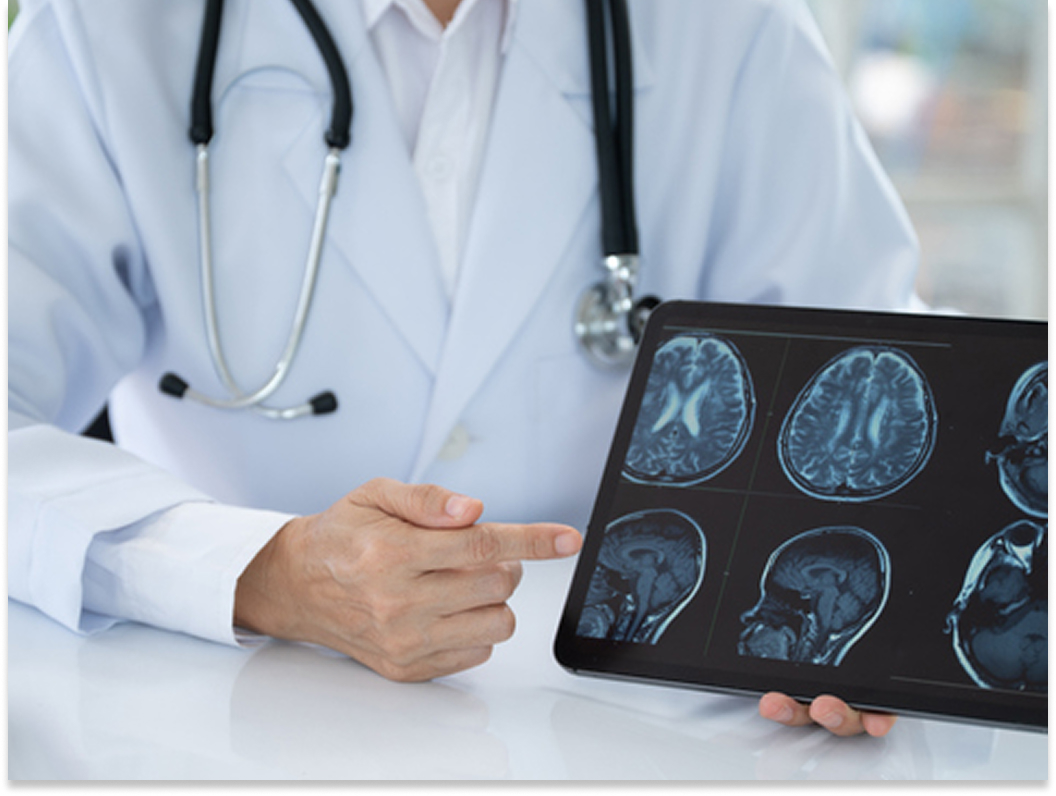
Physician presenting an image

Purpose of Treatment

Through actions such as secretion of neuroprotective factors, anti-inflammatory activity, improvement of mitochondrial function and support for neural network repair, adipose-derived mesenchymal stem cells are expected to improve the degenerated neural environment and restore impaired brain function.

What Is Parkinson’s Disease?

The brain has a system that releases a substance called dopamine to control body movements smoothly. Dopamine acts like a “lubricant,” helping to transmit commands from the brain throughout the body.
In Parkinson’s disease, however, nerve cells in the brain are damaged, and dopamine levels decrease. Although modern medicine has not fully explained the cause, insufficient dopamine production prevents brain commands from being transmitted properly, leading to symptoms such as tremor of the limbs and stiffness of the body.
Illustration of an artery with a stent inserted

Expected Effects

The following have been reported as expected effects:

POINT

01

Extremely Low Risk of Cancerous Transformation

ADSCs are mature mesenchymal stem cells (MSCs) collected from adipose tissue. They are multipotent, rather than pluripotent.

Characteristics

  • Check mark

    Low Degree of Undifferentiation and Almost No Possibility of Tumor Formation

  • Check mark

    Reports of Cancerous Transformation Are Extremely Rare in Clinical Data Worldwide

  • Check mark

    No Rejection or Genetic Foreign-Body Reactions

Illustration of a culture dish and shield representing safety

ADSCs Have an Overwhelmingly Large “Safety Track Record”

POINT

02

Repeated Treatment Is Possible

After adipose tissue collection, ADSCs can be administered by intravenous infusion.

Characteristics

  • Check mark

    Repeated Administration on an Outpatient Basis

  • Check mark

    Accessible to Older Patients and Those with Underlying Conditions

  • Check mark

    Side Effects Are Limited to Mild Reactions during Infusion; General Anesthesia Is Not Required
Illustration of a culture dish and shield representing safety

POINT

03

Treatment That Promotes Gradual Recovery through Neuroprotective and Anti-inflammatory Actions

ADSCs have the following actions in the brain:

Characteristics

  • Check mark

    Anti-inflammatory Action

  • Check mark

    Improvement of Mitochondrial Function

  • Check mark

    Secretion of Neuroprotective Factors (Including BDNF, GDNF and VEGF)

  • Check mark

    Support for Neural Network Repair

Illustration of a culture dish and shield representing safety

Potential Contribution to “Slowing Progression” and “Improving Daily Function”

POINT

04

No Immune Rejection

Because ADSCs are 100% autologous cells, there is almost no rejection or adverse rejection response, immunosuppressants are not required, and repeated long-term administration is possible.


Illustration of a culture dish and shield representing safety
Symptoms of Arteriosclerosis
By “improving the neural environment,”
the aim is to promote activity (protection) of dopaminergic neurons.